Solar textile screens: Smart shading without electrical wiring
Smart, discreet and environmentally friendly. That is exactly what solar-powered outdoor textile screens offer. If you are looking for a modern way to protect your interior from overheating and reduce indoor temperatures by 4 to 7°C without complex electrical wiring or structural modifications to the façade, solar shading is a practical and cost-effective long-term solution.

Solar-powered textile screens combine comfort, sustainability and advanced technology. Powered by energy from the sun, they operate independently of the electrical grid and do not require connection to the building’s wiring system. This makes them particularly suitable for retrofit installations, renovation projects and complete façades where minimizing construction work is essential. Solar operation also helps reduce electricity consumption while making use of a clean and renewable energy source.
The operating principle is simple. During the day, the solar panel converts sunlight into electrical energy, which is stored in a battery and subsequently powers the screen motor. Depending on the selected solution, the solar panel can be integrated directly into the screen box or installed as an external panel outside the box. In the Solar Standard version, the photovoltaic panel is mounted on the headbox of the textile screen, while the battery is integrated inside the box. The Solar Station version uses an external solar panel with an integrated battery, which can be positioned up to 6 meters away from the screen and oriented for optimal sun exposure.
Thanks to stored energy, the system continues to operate reliably even during periods of limited sunshine. When fully charged, it can provide up to 45 days of operation without recharging based on typical use of two operating cycles per day. Solar-powered textile screens are therefore suitable not only for new builds, but also for renovation projects, shaded façades and north-facing elevations, where the external panel option offers additional flexibility.
Operating the screens is simple and convenient. NEVA solar textile screens use radio-controlled motors and can be operated using remote controls depending on the selected technology, including Gaposa and Somfy control systems. Each solution can be tailored to the requirements of a specific project to ensure the desired functionality, appearance and user comfort.

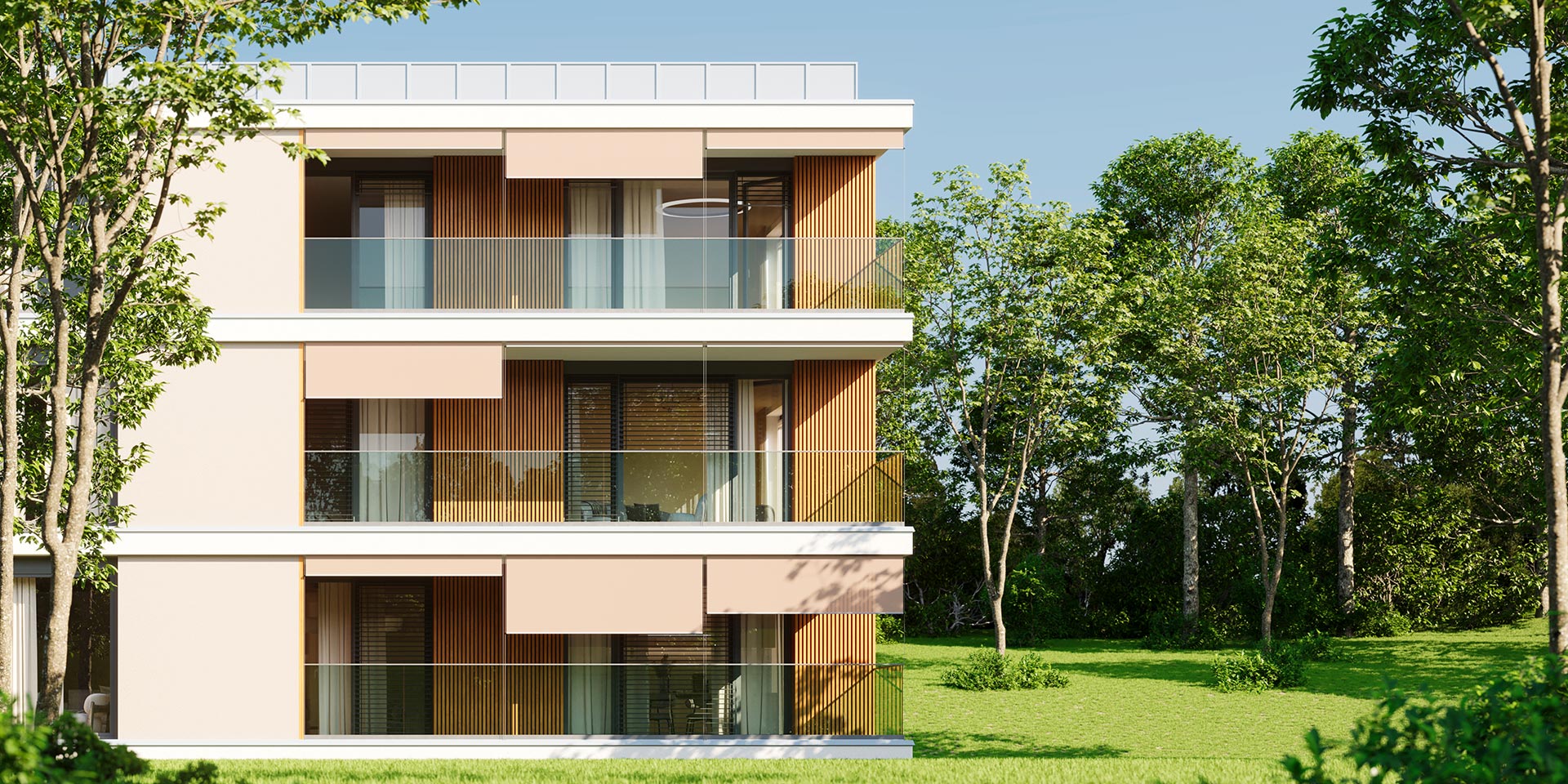
Solar-powered textile screens are particularly suitable for family homes, large, glazed areas, terraces and pergolas. They protect interiors from direct sunlight, help reduce overheating and at the same time maintain a pleasant visual connection with the outdoor environment. Thanks to the wide range of fabrics and colour options available, the screens can be perfectly matched to the architecture of the building and the overall appearance of the façade.
In addition to their practical benefits, solar textile screens also offer a clean and modern aesthetic. As they do not require electrical wiring, installation is quick, discreet and ideal for projects where conventional electrical connections would require unnecessary construction work. By operating on solar energy, they also support a more sustainable approach to modern living and contribute to reducing a building’s carbon footprint. If you are looking for a smart, energy-efficient and sustainable shading solution without the need for a connection to the electrical grid, solar-powered textile screens are well worth considering. They offer convenient operation, energy independence, clean installation and long-term reliability, whether for a new build, a renovation project or a finished façade.long life – and are perfectly suited to the smart home concept.