When Less Is More. Wire Screen as a Response to Modern Architecture
Not every building requires robust guide rails, prominent boxes or technical elements that draw attention to themselves. Contemporary architecture is increasingly seeking solutions that are reliable while remaining almost invisible. The WS100 wire screen is a perfect fit for this trend – a minimalist external shading solution that protects interiors from solar heat while preserving the building’s architectural appearance.
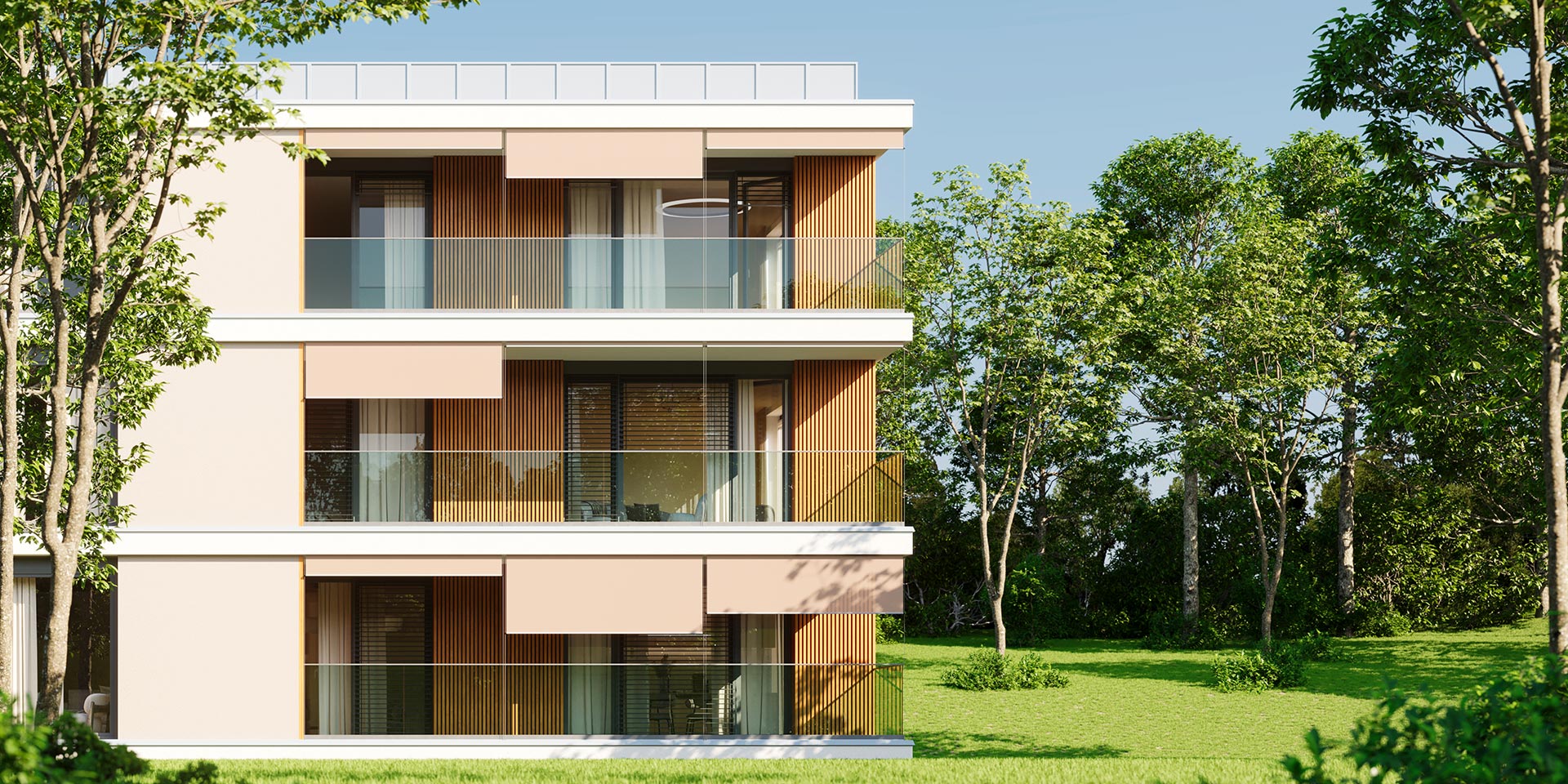
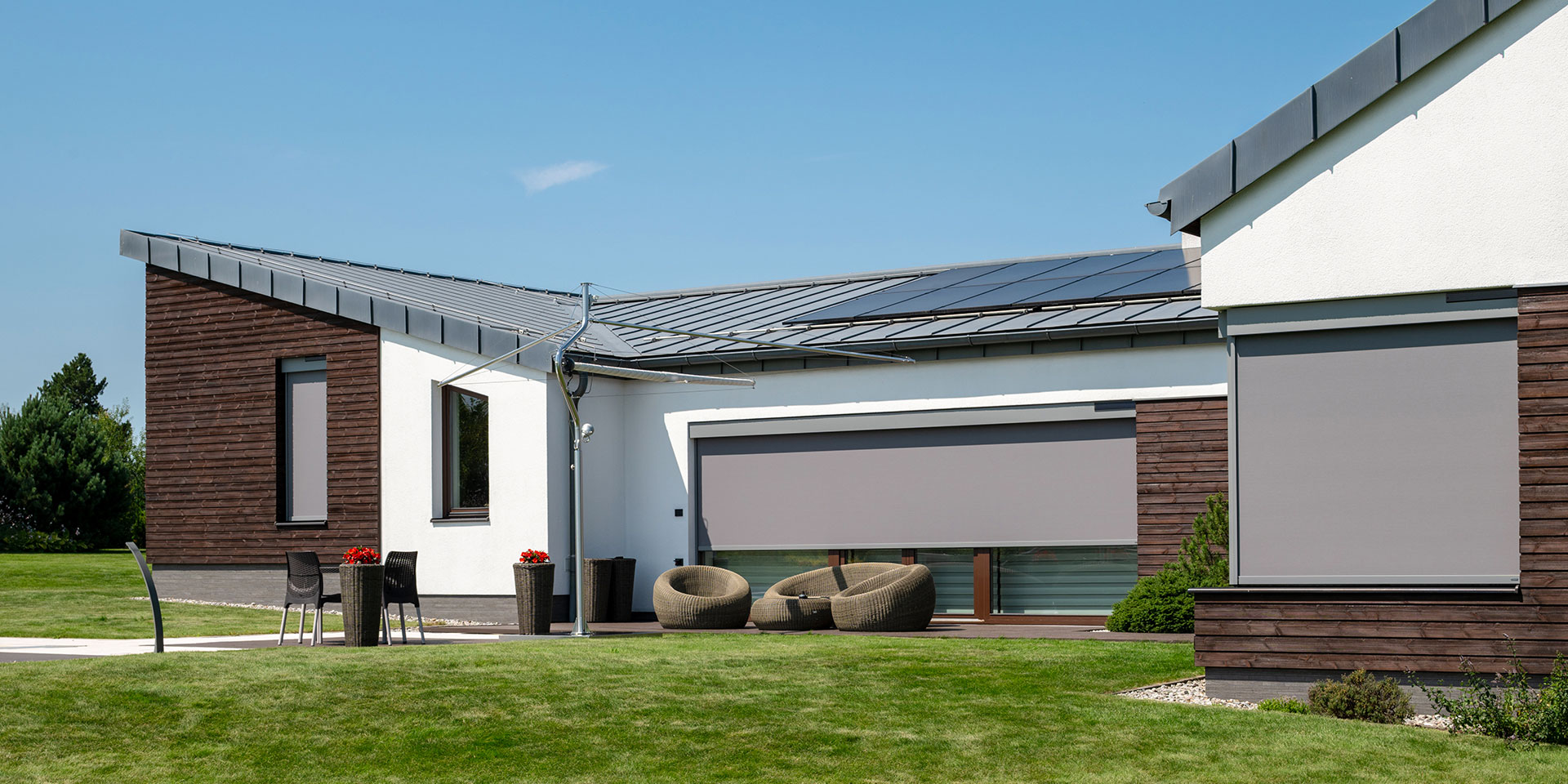
Large glazed surfaces have become a defining feature of modern family homes. These provide abundant natural daylight and create a seamless connection between the interior and the garden. At the same time, they increase the risk of overheating during the summer months. This is where external textile screens make all the difference. By stopping solar heat before it reaches the glazing, they help create a comfortable indoor environment while reducing the risk of overheating.
Shading That’s Almost Invisible
The wire screen is one of the most discreet external shading solutions available. Its distinctive feature is guidance by thin stainless-steel cables that are almost imperceptible when viewed on the façade. The entire system looks light and discreet, naturally complementing modern architecture without introducing any distracting elements.
This simplicity makes it an attractive choice for family homes, renovation projects and buildings where the installation of prominent guide profiles is not desirable. The system can be mounted on both walls and ceilings, extending its application beyond windows to pergolas and covered terraces.

WS100 – Designed for Prepared Boxes
The WS100 model has been developed primarily for installation into prepared boxes. Its box-free design allows the screen to be concealed elegantly, preserving the clean lines of the building. This approach is particularly appreciated by architects and investors looking to integrate technical elements into the structure as seamlessly as possible.
The screen can shade areas up to 4,000 × 3,500 mm and comes with motorized operation as standard. This ensures comfortable use even for large glazed surfaces, which have become a defining feature of modern residential architecture.
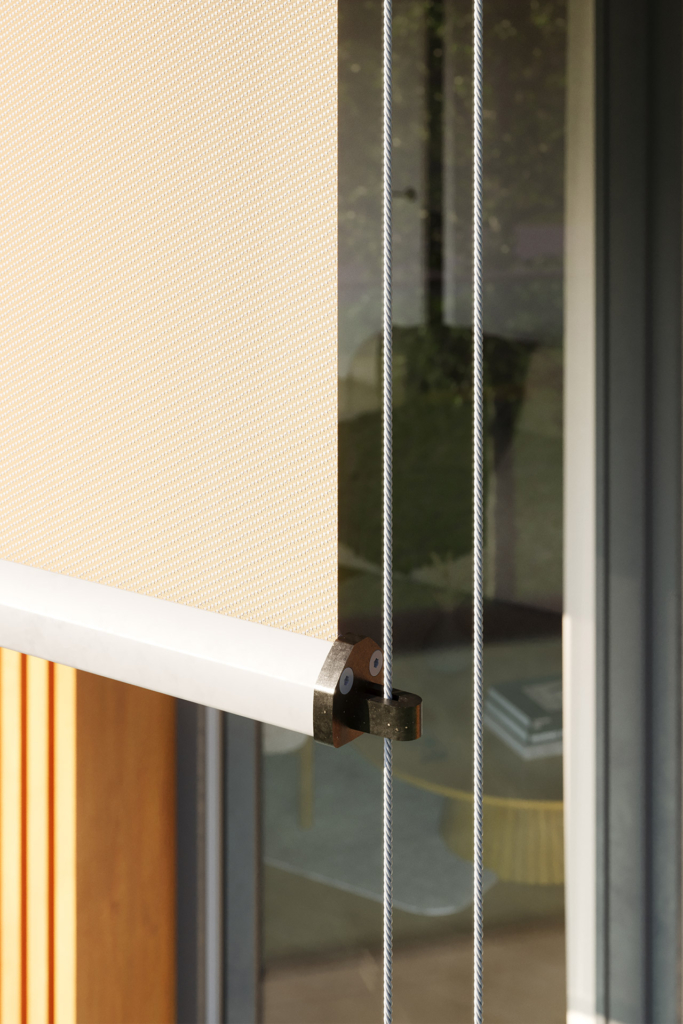
Yes to Daylight, No to Overheatingv
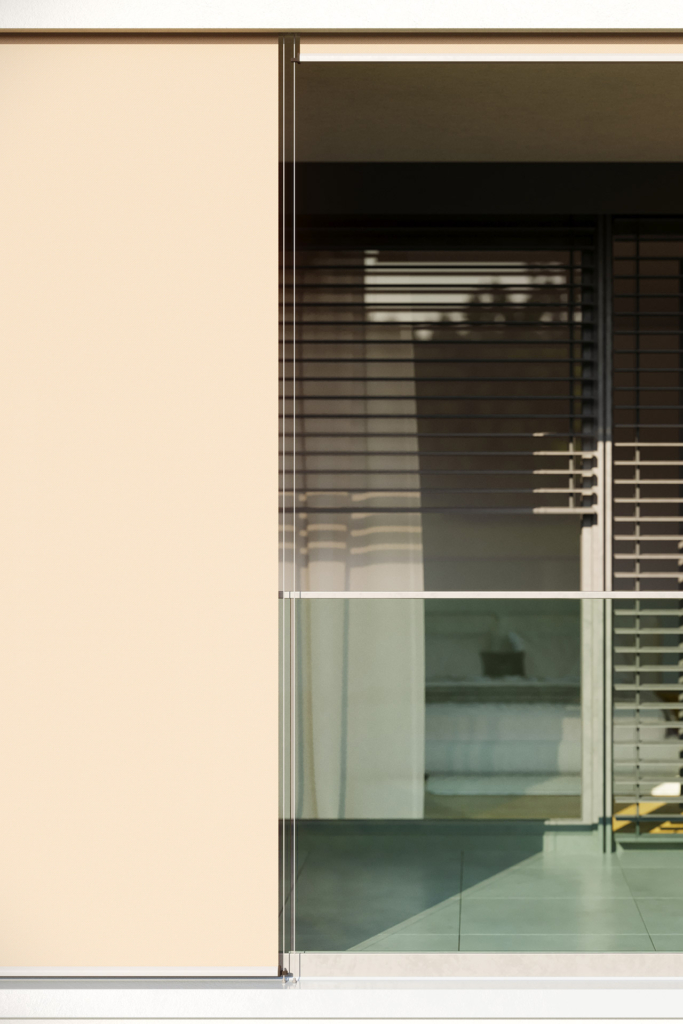
One of the greatest advantages of textile screens is their ability to filter sunlight without completely darkening the interior. Rooms remain pleasantly bright while being protected from excessive heat. Homeowners can therefore maintain visual contact with their surroundings and continue enjoying views of the garden or landscape.
The WS100 is available with sixteen different fabric types, offering varying levels of light transmission and visual appearance. This allows homeowners, architects and investors to tailor the final appearance and performance of the screen to the character of the building, as well as their desired level of privacy and solar protection.
Minimalism with Practical Benefits
Although the wire screen is often selected primarily for its design, it also offers a range of practical advantages. The WS100 features service access from the bottom, making maintenance and servicing significantly easier when required. In addition, the screen achieves wind resistance class 3, meeting the typical requirements for shading systems installed on family homes and protected façades.
At a time when architects and investors are looking for ways to combine technical performance with clean architectural aesthetics, the wire screen represents an attractive alternative to more robust systems. It proves that high-quality external shading does not have to dominate a façade. Sometimes, the most effective design is the one that remains almost invisible.